
Central market
Player market through the familiar auction windows, with price bands and limits against exploits.
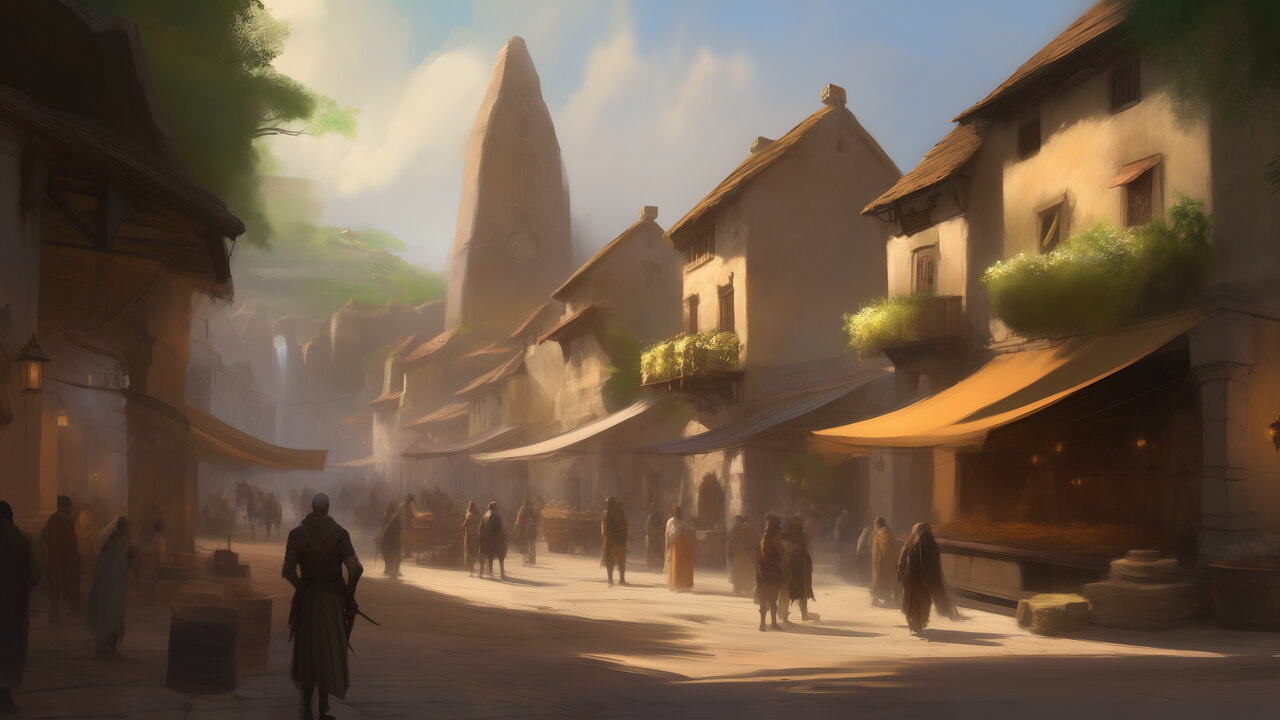
in progress

Gor serves no throne. The city on its island in the north is where Valorians and Derions are customers instead of enemies. Here people trade, craft and earn – under the eyes of the Trade Council of Gor.
Player market through the familiar auction windows, with price bands and limits against exploits.
Your own office slot for proceeds and goods, plus market info with price history.
Merchant prices follow supply and demand and settle back again. Rare goods only come from players.
Delivery, procurement and crafting contracts from the trade council; caravans move prices.
The Bridge of Oaths may only be crossed unarmed – there is no fighting in the city.
Crafting uses the familiar crafting window from 4Story. Raw materials are gathered in mines, quarries and herb fields around Gor. Each character can learn up to two main professions and rise from apprentice to master.
Profession office, workshops and production sites for smithing, armour/leather, alchemy and workshop.
Turns metal up to mithril into tools, weapons and upgrade materials.
Makes bags and light armour from leather and cloth.
Brews healing and mana potions from herbs and magic stones.
Builds cart parts, crates and workbench kits from wood and metal.
Mine ore, wood and herbs at deposits with tools; daily limits keep macros away.
Guilds keep everything known from 4Story and get more: a guild type (combat, trade or crafting) with its own benefits, raw-material slots in the guild storage with withdrawal limits per rank, and guild contracts paid from the guild treasury. Bot guilds never take over player guilds.